









Manufacturing & Heavy Industry
- The Challenge: Lubrication film breakdown in high-speed assembly lines leading to production loss.
- The Solution: High-viscosity gear oils and hydraulic fluids engineered at our Vapi-Gujarat hub for extreme shear stability.
- The Result: Extended machinery life by up to 25% and a drastic reduction in emergency maintenance costs.

Automotive & Logistics
- The Challenge: The demand for “Zero-Downtime” and maximum fuel efficiency in global supply chains.
- The Solution: Our DEEMOIL range, powered by proprietary Nano Ceramic Additive Technology.
- The Result: Lower Total Cost of Ownership (TCO) through extended drain intervals and improved fuel mileage.
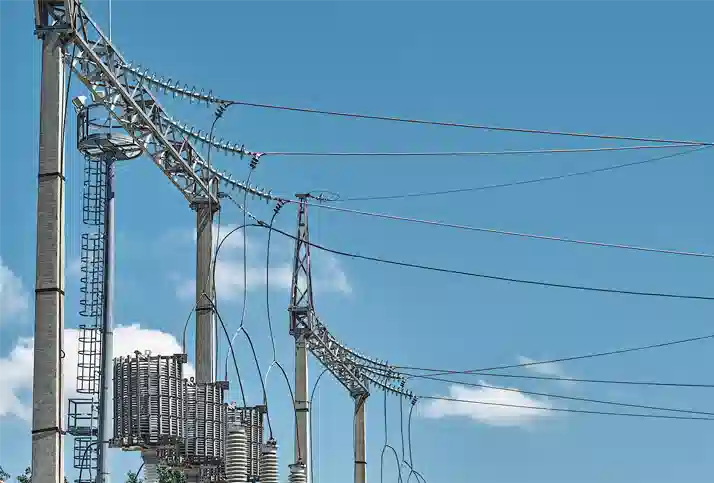
Energy & Strategic National Sectors
- The Challenge: Extreme purity requirements for high-voltage transformers and power turbines.
- The Solution: High-performance fluids audited and certified with clinical accuracy in our central laboratories.
- The Result: Trusted partnerships with Railways, Defense, and Power sectors to keep national infrastructure in motion.

Defence & Aerospace
- The Challenge: Extreme thermal fluctuations and component stress in high-altitude aviation and tactical combat vehicles.
- The Solution: Ultra-low pour-point synthetic lubricants and fire-resistant hydraulic fluids manufactured under zero-tolerance quality protocols.
- The Result: Flawless operational readiness and critical component protection from 75℃ to 400℃.
Manufacturing & Heavy Industry
- The Challenge: Lubrication film breakdown in high-speed assembly lines leading to production loss.
- The Solution: High-viscosity gear oils and hydraulic fluids engineered at our Vapi-Gujarat hub for extreme shear stability.
- The Result: Extended machinery life by up to 25% and a drastic reduction in emergency maintenance costs.
Automotive & Logistics
- The Challenge: The demand for “Zero-Downtime” and maximum fuel efficiency in global supply chains.
- The Solution: Our DEEMOIL range, powered by proprietary Nano Ceramic Additive Technology.
- The Result: Lower Total Cost of Ownership (TCO) through extended drain intervals and improved fuel mileage.
Energy & Strategic National Sectors
- The Challenge: Extreme purity requirements for high-voltage transformers and power turbines.
- The Solution: High-performance fluids audited and certified with clinical accuracy in our central laboratories.
- The Result: Trusted partnerships with Railways, Defense, and Power sectors to keep national infrastructure in motion.
Defence & Aerospace
- The Challenge: Extreme thermal fluctuations and component stress in high-altitude aviation and tactical combat vehicles.
- The Solution: Ultra-low pour-point synthetic lubricants and fire-resistant hydraulic fluids manufactured under zero-tolerance quality protocols.
- The Result: Flawless operational readiness and critical component protection from 75℃ to 400℃.

Real Reliability
We use these lubricants in our luxury car service center, and customers immediately notice the smoother engine performance. The quality and consistency make it a reliable choice for premium vehicles.
Amit Sharma
Founder, AutoFix Solutions (Delhi)

Technical Support
What sets FLONEX apart isn't just the lubricant; it's the expertise. Their team helped us cross-reference complex OEM specs for our specialized CNC machinery. The transition was seamless, and the performance has been flawless.
Rajan Yadav
Workshop Owner (Precision Engineering)

Lubrication Powerhouse
In a market dominated by legacy brands, FLONEX stands out with its modern approach and consistent product quality. We replaced our long-term supplier because their lubricants provide longer service life and better protection for our high-end machinery.
Vikram Rathore
Technical Director, VR Engineering (Pune)

Trusted for Heavy Equipment
Our construction equipment operates in demanding conditions, so lubricant quality is critical. FLONEX products have delivered excellent protection against wear and heat, keeping our machines running smoothly on-site. It’s a brand we can rely on for long-term performance.
Sandeep Chauhan
Fleet Manager, Skyline Infra Projects (Jaipur)

Reliable Partner for Manufacturing
Since switching to FLONEX lubricants, we have noticed better machine stability and fewer lubrication-related issues. Their products meet the required technical standards and perform well in our continuous production environment. It has been a dependable solution for our plant operations.
Kunal Mehta
Plant Supervisor, Mehta Components Pvt. Ltd. (Vadodara)

Great Value with Strong Performance
FLONEX lubricants provide the perfect balance between performance and cost efficiency. We’ve tested them in several automotive service applications, and the results have been impressive in terms of engine smoothness and durability. Definitely a smart choice for workshops looking for reliable lubricants.
Deepak Verma
Service Head, Prime Auto Care (Mumbai)

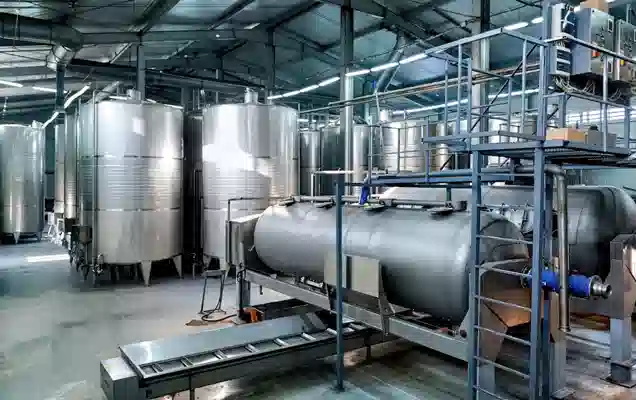
Our primary factory houses elite blending technology for both domestic and international markets.
02

A multi-plant footprint (Vapi, Silvassa, Malanpur) ensures uninterrupted supply chains.
03

Dedicated R&D teams capable of engineering custom additive solutions for unique friction challenges.
04