
FLONEX Comprehensive Diagnostic Analysis combines critical laboratory fluid tests to deliver a clear evaluation of machinery condition. By evaluating Viscosity & Viscosity Index at 40°C and 100°C alongside TBN / TAN & Lubricant Degradation testing, maintenance teams can identify thermal stress, oxidation, acid buildup, and additive depletion to optimize service intervals.
Advanced Wear Metal Analysis using ICP-AES elemental testing tracks trace concentrations of iron, copper, lead, aluminum, and chromium. Monitoring these trended values helps pinpoint early mechanical wear across bearings, gears, hydraulic systems, and other critical lubricated assemblies before component failure occurs.
Additionally, Contamination & Particle Analysis—including ISO 4406 cleanliness coding—and Moisture & Water Analysis via Karl Fischer titration detect dirt, silica, soot, and fluid ingress. Eliminating these contamination sources prevents accelerated corrosion, oxidation, and premature lubricant breakdown.
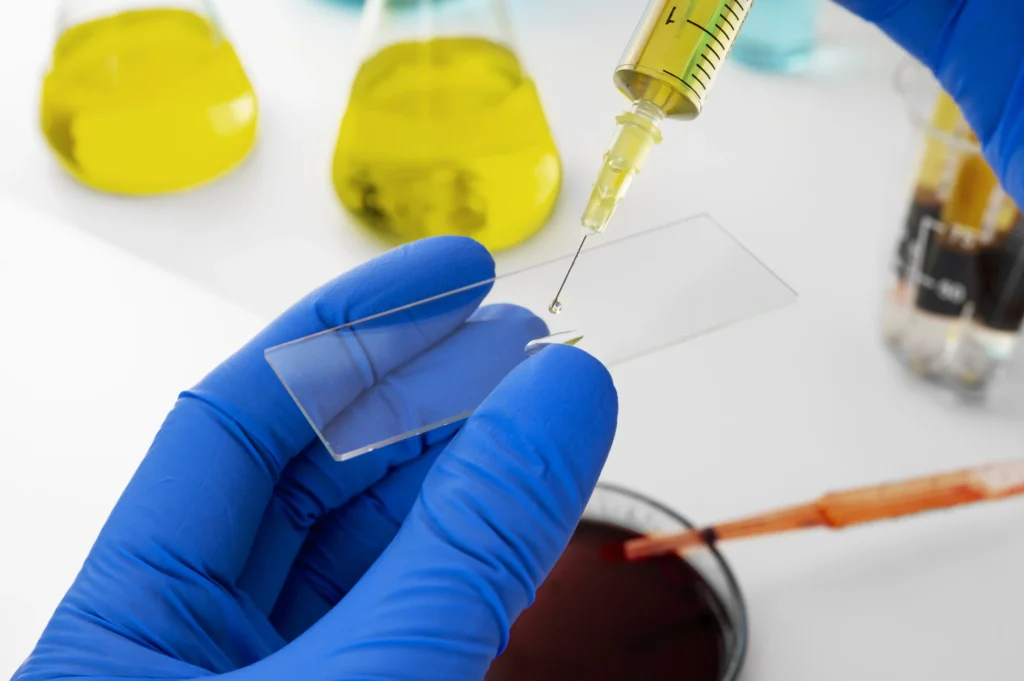
A representative oil sample is drawn from a dedicated sampling valve, reservoir, or live fluid line using standardized sampling protocols. Because test accuracy relies entirely on sample integrity, proper sampling methods ensure that fluid quality, wear debris, and contaminants accurately reflect active equipment conditions.
The collected fluid undergoes targeted physical, chemical, and elemental testing matched to the lubricant type, equipment application, and diagnostic goals. Laboratory testing evaluates core fluid health parameters, including viscosity, moisture content, cleanliness levels, additive health, and trace wear-metal concentrations.
Technical specialists analyze raw laboratory results against defined lubricant specifications, operating environments, and historical sample data. By benchmarking wear-metal trends, contamination sources, and fluid degradation indicators over time, analysts detect subtle mechanical changes before minor wear turns into critical failure.
The final assessment is delivered in a structured diagnostic report that highlights fluid deviations, severity levels, and operational risks. Each report provides actionable maintenance recommendations—such as fluid changes, contamination control, filtration upgrades, inspection advice, and adjusted sampling intervals—to support proactive equipment care.
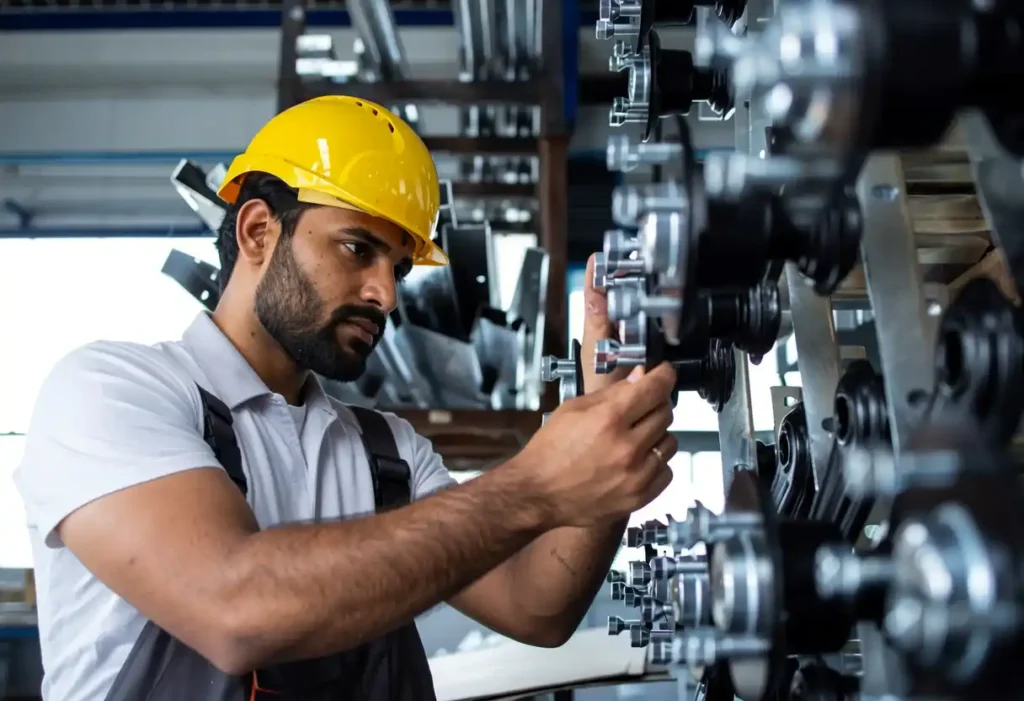
Integrating FLONEX System Analysis into your plant or fleet maintenance routine is designed to be seamless and non-disruptive. Whether supplementing existing Reliability-Centered Maintenance (RCM) programs or establishing a new condition-monitoring baseline, the service adapts to your operational workflows, shift schedules, and machinery criticality ratings.
Beyond standard reporting, our technical team acts as an extension of your reliability department. When complex trends or anomalous wear indicators emerge, FLONEX lubrication specialists are available to collaborate directly with your engineers, providing deep-dive technical consultations to isolate root causes and prevent repeat failures.
Over time, continuous tracking transforms isolated oil samples into a comprehensive historical archive of equipment health. This longitudinal data establishes a reliable baseline for each asset, making it easier to predict end-of-life curves, plan scheduled overhauls, and optimize spare parts inventory management.
Condition-based maintenance also directly supports corporate sustainability and environmental stewardship goals. By avoiding premature fluid drains and safely maximizing lubricant service life, facilities significantly reduce waste generation, lower oil disposal costs, and minimize their overall environmental footprint.
Ultimately, FLONEX elevates lubricant testing from a routine laboratory check into a core strategic pillar of plant reliability. By aligning laboratory precision with everyday maintenance execution, industrial operators secure a competitive edge through maximized uptime, lower operating expenditures, and prolonged asset life.
FLONEX System Analysis delivers tailored fluid diagnostics across diverse lubrication-dependent applications, including hydraulic systems, industrial gearboxes, heavy-duty fleets, engines, compressors, and manufacturing machinery.
Testing parameters are customized to match each machine’s specific lubricant type, operating environment, and maintenance objectives.
Your lubricant contains a vital record of your equipment’s internal condition, and FLONEX helps you unlock those valuable maintenance insights.
Submit your equipment details and a representative sample today to receive a free, technical evaluation designed to protect your machinery.
FLONEX delivers comprehensive diagnostic reports with clear, data-driven recommendations, empowering your maintenance team to prevent unexpected downtime and extend fluid life.
Every analysis translates complex laboratory data into practical steps for optimizing your equipment’s performance.